Massachusetts
Substance
Use Disorders
in Long-Term Care

Build skills.
Break stigma.
Support residents.
Healthcentric Advisors, in partnership with Alliant Health Solutions, is pleased to offer training designed to improve care for residents with substance use disorders in long-term care settings. Supported by the Massachusetts Department of Public Health, this on-site or virtual training provides facility staff with the knowledge and tools they need to better understand, support, and treat residents living with substance use disorders.
Meet the Trainers
Healthcentric Advisors is a nationally recognized nonprofit with over 30 years of experience improving healthcare quality and outcomes. For the past eight years, we have provided training to help long-term care facilities deliver compassionate, effective care for residents with substance use disorders. Our efforts also focus on addressing critical care gaps by enhancing care transitions between hospitals and long-term care settings, as well as building stronger community connections.
Alliant Health Solutions brings deep expertise through its work with the Center of Excellence for Behavioral Health in Nursing Facilities. Over the past three years, Alliant has partnered with long-term care providers to enhance care for individuals with behavioral health conditions and substance use disorders. Their approach includes developing and sharing practical resources, delivering targeted training, and offering tailored technical assistance. Alliant also works closely with facilities to strengthen care transitions and improve quality performance metrics.
Foundational Trainings – “101” (All Staff)
What is Stigma?
15–20 min
Learn what stigma is, its types, and its impact on residents. Explore strategies to build empathy and supportive environments.
What is SUD?
10–20 min
Understand the basics of substance use disorder, why people use substances, and how SUD affects the brain.
Recognizing Withdrawals
4–6 min
Identify withdrawal symptoms, stages, and how staff can respond appropriately.
Recognizing & Responding to Overdose
8–10 min
Recognize the signs of an overdose, act quickly, and focus on restoring breathing.
Resident Behaviors & SUD
8–10 min
Identify behaviors, mood changes, and physical symptoms that may signal SUD.
De-escalation
30–45 min
Learn to recognize early signs of escalating distress, use effective communication, adjust the environment, and set respectful boundaries that support resident autonomy.
Trauma-Informed Care
8–12 min
Apply trauma-informed principles to create safe, respectful, and empowering environments.
Clinical Trainings – “102” (Nurses, CNAs, Social Workers)
What is SUD 102
30–45 min
Dive deeper into risk factors, brain changes, treatment options, harm reduction, and the role of stigma.
Medications for MOUD/MAT
30 min
Learn about FDA-approved medications for opioid and alcohol use disorders, including their benefits.
Screening & Assessment
30 min
Understand screening vs. assessment, and why both are critical in long-term care.
Path to Recovery / Patient Recurrence
30–45 min
Explore recovery models, treatment supports, and common challenges in supporting resident recovery.
Harm Reduction
30 min
Understand the principles, pillars, and strategies for harm reduction, which aim to reduce risks associated with substance use.
Meet the Team
Our trainers bring extensive experience in healthcare quality, patient safety, and behavioral health. They are committed to equipping providers with the knowledge and tools to improve care for residents living with substance use disorders.
Massachusetts Department of Public Health
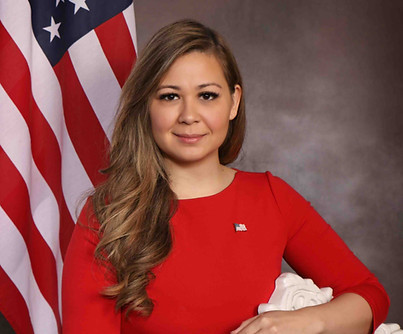
Kat Lancaster, MPH
Kat Lancaster is an epidemiologist in the Office of Health Care Strategy and Planning at the Massachusetts Department of Public Health. She is the program director for the Substance Use Disorders in Long-Term Care program. With over a decade of bedside experience as a detox nurse, Kat brings a unique perspective to bridge direct care to policy. Previously, Kat interned at WHO in Geneva. She holds an MPH from the University of Southern California.

Massachusetts Department of Public Health
Chiara Moore, MPH
Chiara S. Moore is the Assistant Director of the Office of Health Care Strategy and Planning at the Massachusetts Department of Public Health. She oversees frameworks for assessing health care delivery needs and workforce capacity. She brings over a decade of experience leading and executing research and data initiatives across local, national, and global settings, with deep expertise in health systems epidemiology, infectious disease surveillance, and substance use disorder policy and practice. Chiara previously worked at the Fenway Institute and was a fellow with the CDC. She holds an MPH from Boston University School of Public Health.
.jpg)
Healthcentric Advisors
Stephanie Baker, MHA, CPHQ
Stephanie is a healthcare quality and improvement leader with more than a decade of experience advancing patient outcomes, health equity, and collaboration across the care continuum. She develops educational programs, facilitates multi-disciplinary partnerships, and implements evidence-based practices that strengthen healthcare delivery and patient safety. She has worked with hospitals, long term care facilities, community organizations, and policymakers on initiatives that improve care transitions and overall population health.

Healthcentric Advisors
Karen D’Antonio, BS, RN, CDOE
Karen has more than 20 years of nursing healthcare management experience that crosses multiple healthcare settings, including primary care and long-term care. She has experience in direct-care nursing, nurse care management, quality improvement, and project management. She is currently a Senior Quality Improvement Manager, supporting the Partnership for Community Health for Healthcentric Advisors’ Centers for Medicare and Medicaid (CMS) QIN-QIO contract, and she leads the Prevention and Chronic Disease Management efforts in New England

Healthcentric Advisors
Laura Vanderhill, LSW, MHA
Laura is a Senior Quality Improvement Specialist and licensed social worker with 15 years of experience in community-based organizations serving older adults. She taught graduate healthcare administration and nursing students about chronic disease, end-of-life care, and social determinants of health for older adults. At Healthcentric Advisors, she works with providers and community partners to address health-related social needs, support care transitions, and improve the prevention and management of chronic disease, among other focus areas.
.jpg)
Healthcentric Advisors
Kristin-Rae DelSesto, MS, BSN, RN
Kristin-Rae has more than 30 years of experience in healthcare with a proven track record of leadership and advancement. As a Quality Improvement Specialist with the Partnership for Community Health for Healthcentric Advisors’ CMS QIN-QIO, she convenes a diverse group of community coalitions and collaborates with providers across care settings. She is committed to engaging the healthcare community in implementing best practices and quality improvement strategies that promote safe and effective care transitions.

COE-NF
Stacy Hull
Stacy Hull is a Licensed Professional Counselor and Master Addiction Counselor with over 25 years of experience in public behavioral health. For the past eight years, she has served with Alliant Health Solutions, leading initiatives to strengthen behavioral health practices in nursing homes, primary care, and inpatient psychiatric settings. Most recently, she served as Resource Manager for the Center of Excellence for Behavioral Health in Nursing Facilities (COE-NF), developing training to help healthcare teams address mental health and substance use disorders.

Alliant Health
Jacob Berelowitz, LNHA, LMSW, CPHQ, CCM
Jacob is a Master Social Worker and Licensed Nursing Home Administrator with over 15 years of experience in long-term care and behavioral health. He most recently served as Director of the Center of Excellence for Behavioral Health in Nursing Facilities (COE-NF), a national CMS and SAMHSA initiative supporting nursing homes nationwide to better address residents’ behavioral health needs. He has led the development of specialized programs supporting residents with mental illness and substance use disorders, driving innovation and quality improvement in care delivery.